by Tommy Cooper
My undergraduate degree was for my family, my master’s degree was for my career expansion, and this doctoral degree is for me!!
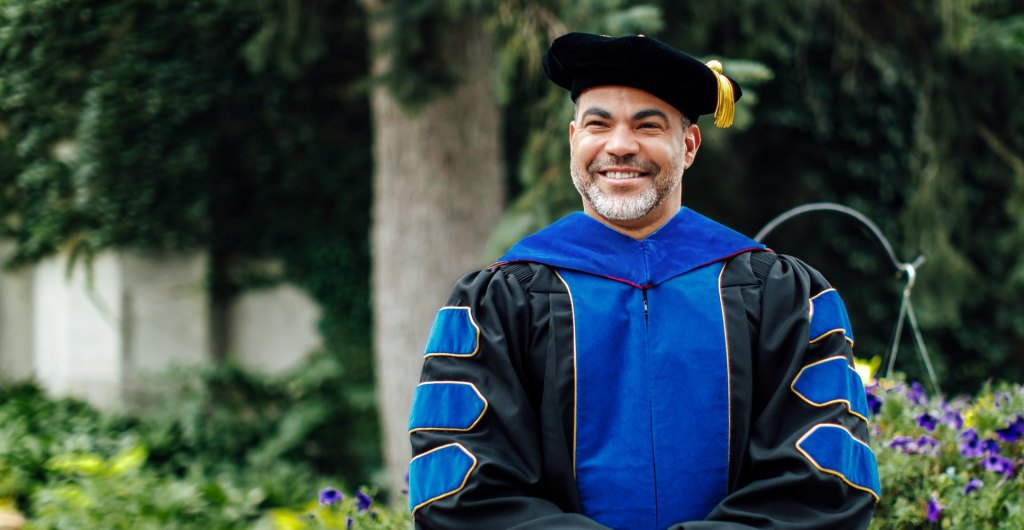
Change will not come if we wait for some other person or some other time. We are the ones we’ve been waiting for. We are the change that we seek. –James Baldwin
There is a need for Black Males to obtain doctoral degrees. https://www.linkedin.com/pulse/closing-doctoral-gap-urgent-steps-boost-black-male-phd-tajay-francis-rkyxe#:~:text=Black%20men%20are%20underrepresented%20among,Black%20or%20African%20American%20men.
Representation
Growing up, I did not see representation in higher education, so it was not on my radar to obtain it. The typical professional careers for adolescents during my time were lawyers, doctors, business owners, firefighters, and police. All of those fields did not seem palatable and to my liking. Coming from a military household, I knew a career in the military could be an option, but viewing my father’s experience and how stressful it could be for families during and leading up to wartime, I didn’t want that to be my path. I knew being of service to the federal government or a nonprofit was something I was interested in; however, I didn’t know where to start or to whom to articulate my passions. The school counselors were semi-helpful and relied on me to do research on my own in high school. It would have been nice if they had explained the various career paths and possible internship opportunities in detail. I didn’t expect much from those counselors who didn’t care if I obtained a higher-paying career. As such, I see how and why some of my fellow black male counterparts seemed disinterested in pursuing college. The counselors and school simply gave job skills tests and other rating systems to determine which career paths matched your personality. After the tests, I chose finance/accounting as an undergraduate major; honestly, looking back, that was a poor decision. From what I learned, a decision is a decision that provides viable lessons learned. Another reason I decided on that career path was because my uncle was an accountant. I could pinpoint the succession plan and possible opportunities through his lived experience. All that to say, I wish I had more real-life examples growing up to determine possible job opportunities after college. My goal was always to be a beacon of academic enlightenment to my brother and sister. As the eldest child, I wanted to ensure they saw that there was a college path that was obtainable.
The Decision
My decision to obtain a Doctor of Public Administration degree wasn’t taken lightly nor realized at an early age. Throughout my matriculation from undergraduate to master and now doctorate, I had a slight inkling that I should continue further up the academic ranks, but how? As I learned more about my options and focused on my career, I noticed that I wanted to specialize in emergency management, dive into the world of practical research, and understand program evaluation from the federal perspective. I wondered, so what should I do for this dream to come true?! You guessed it, RESEARCH!!!
YouTube became my friend as I listened to testimonials from other black academics pursuing or having already obtained a doctorate. Their encouragement and sense of community opened the doors to pursuing an albeit delayed (I started in my late 30s) but meaningful degree in public administration. My hesitation was wondering if I was good enough to excel in a field with others who didn’t look like me or had the same life experiences. I asked who I could turn to when feeling self-doubt or needing a little encouragement? I started telling my community (college friends and family) about my desire to obtain a doctorate, and to my surprise, they were excited and simply said, “Go for it.”
My first step was to join black doctorate groups, follow multiple black dissertation coaches, and sign up for free writing courses. I had a desire to build a community outside of my friend and family group. These first few steps opened the door to a broad community filled with people wide and far that gave positive feedback, suggested possible schools, and provided invaluable resources. As someone who finished their master’s degree eight years prior to starting my doctoral program, I had to brush up on my grammar and study skills. I even reread the “Hodges Harbrace Handbook” and “The Elements of Style” to ensure I was up to par with my grammar. Even now, I reread and reread those books!!
I started researching the schools I wanted to apply to. I had to narrow down my criteria because I didn’t want to attend a fully online program with professors I couldn’t visit in person. I wanted to stay in-state with reasonable tuition. Also, I needed a program that would accommodate my work schedule and not require that I quit my career. Most Ph. D programs require that you are a full-time student, whereas the Doctor of Public Administration programs allow practitioners to stay employed.
For more information, I found this complete definition and explanation on Which Degree Is Right for You: A PhD in Public Policy and Administration or a Doctor of Public Administration (DPA)? | Walden University
Valdosta State University Doctor of Public Administration program
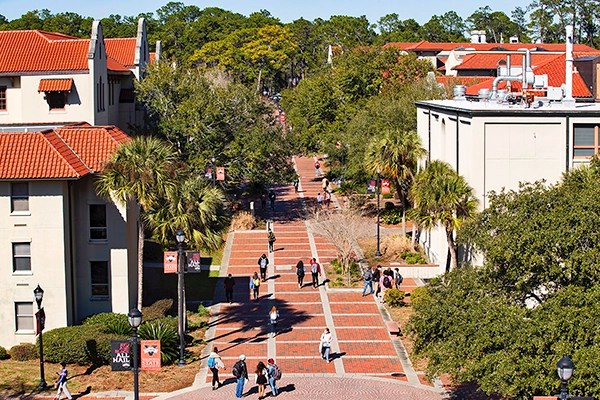
I found the perfect Doctor of Public Administration program at Valdosta State University. I knew about this school while attending Georgia State University; however, I wasn’t familiar with their academic programming. I knew I had to take the GRE and have an acceptable cumulative grade point average from my master’s degree, goals statement, and letters of recommendation. Fortunately, I was prepared and met all the admission requirements, but my nerves were all over the place during the admission process. Since the program was small, their selection process was limited. Even during that process, I worried that I wasn’t good enough. I finally received my acceptance letter, and my journey began.
Doctor of Public Administration Degree – Valdosta State University
I started the program in the Fall of 2019 with glee and excitement, mixed in with nervousness and worry that the staff would treat me differently. To my surprise, the professors were welcoming and willing to answer all of my questions and concerns. The most significant connection was my 2019 Cohort. If you ever start a doctoral program, create a group chat, facebook group, and find some accountability partners. We were all eager to learn from one another and start this journey together. Fast-forward to today, some of my cohorts have completed the program, and others, like me, are still working through it. Slowly but surely, I will finish. I am happy to say I am finished with all 54 hours and am currently in the dissertation phase (ALL BUT DISSERTATION)
Dissertation Phase
So now what?! I finished all of the required classes, wrote a draft of my prospectus, and selected my committee. Now I have stage fright!! I took the fall semester off to refocus my energy and allow myself to calm my nervousness. I figured that this would help with the worry; however, I learned that I should have just registered for the dissertation class and powered through the first writing steps. My goal is to start in the spring with full attention, work with my committee so they can provide feedback, and start collecting data and writing. It’s easier said than done, but I made it this far and can’t give up.
Tips for my future doctoral students:
- Find what interests you and how you can build upon your academic career
- Research doctoral programs within your field
- Build community- You are “gonna” (going to) need it!!
- Read and Follow all of the instructions when applying to your school of choice
- Create a tentative plan of action- map out class schedules per semester
- Find scholarships and see if your job will pay for some of the classes (Mine did)
- Determine your dissertation topic early
- READ, READ, and READ
- WRITE, WRITE, and WRITE
- The finish line is closer than you expect!! You will make it through (this advice is more for me) lol
 Southern Cooper