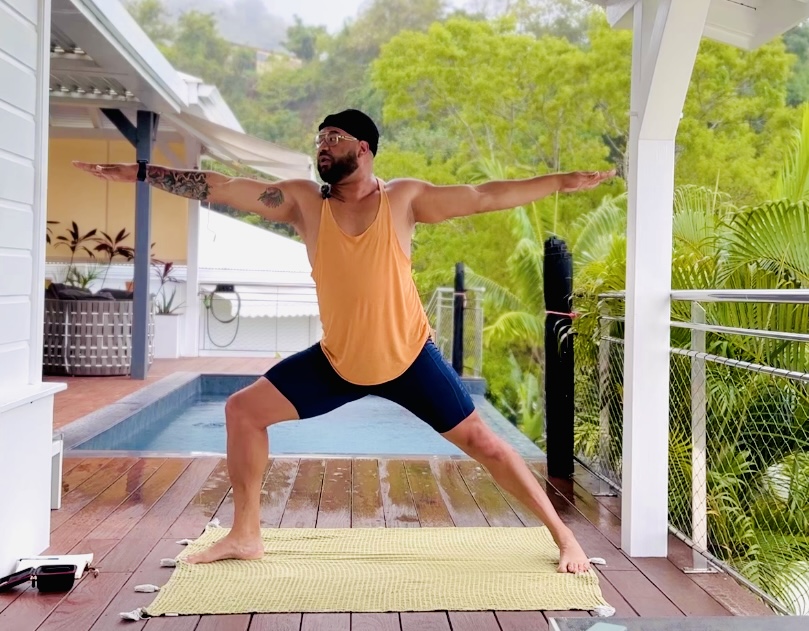
In the early 2000s, I was pretty athletic as a cheerleader for Georgia State University and worked out almost every day. I never really thought about yoga as a way to maintain my physique or its mental aspect. After graduating, I felt like I didn’t need to work out every day; however, I was completely wrong and learned the hard way, gaining 20 pounds. With these pounds and a careless diet, I joined a local gym in Mississippi, which offered fitness classes. I tried them all, from Zumba, aerobics, kickboxing, and yoga. Growing tired, I stopped attending most of the classes and focused on weight training, but I would still go to the yoga classes. These classes helped me build muscle through strenuous movement; however, yoga allowed my mind to focus on the breath and how the movement feels in my body. I started to become one with my body and mind. At the time, I knew this would be a lifelong focus of my fitness journey.
Looking around the room, I barely saw someone who fit my build and stature. Being the tallest in the room, I had to come to terms with my height and how my weight impacted my yoga practice. Oftentimes, I couldn’t get into poses/asanas, which frustrated me as someone who strives to be the best version of myself. Luckily, I had a great yoga instructor who took the time to pause and provide hands-on assistance or hand me a block or two. I found a new love of utilizing the blocks; they aren’t a crutch or a sign of weakness, but a tool to adjust to your body type and depth. As a yoga teacher, I love the usage of props, which I call them tools of wisdom.
Fast forward to today, as a certified yoga instructor, I give my students options and show them different ways to get into an asana. I drew on what my previous yoga teachers taught me and challenged my students to use props to deepen and develop their own practice. I wanted to highlight that Being Tall or Abundantly Bodied human (A term I took from my yoga guru, Danielle), you have options to move fluidly throughout your yoga journey, and props are your friend. Being both these things has its perks; you can always reach the top shelf and probably have a natural presence when you walk into a room. But in yoga, long legs, arms, and torsos can make certain poses feel awkward or even uncomfortable. Instead of forcing your body into positions designed for smaller frames, embrace your height and adapt your practice to work for you. Over time, poses will get easier because practice does make it better (Perfection is never the goal in yoga; don’t let these influencers make you believe it has to look a certain way). Especially when bending or getting low, stretching, and holding yourself up in various poses. THIS IS YOUR PRACTICE, and asanas are a small part of what yoga truly is meant to encompass. Below are five practical ways to deepen your yoga practice as a tall, abundantly bodied person.
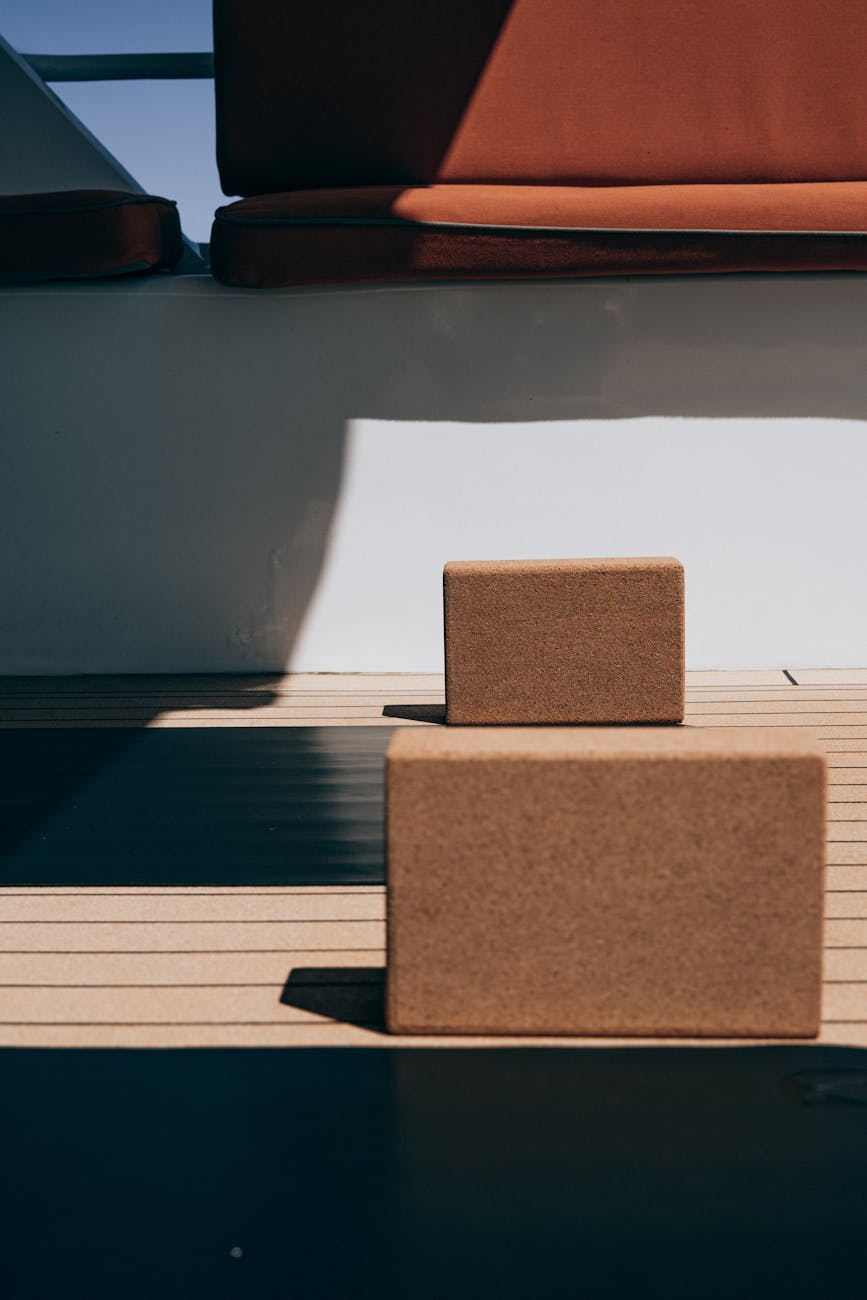
- Use Props Generously Blocks, straps, and bolsters are the most common props available at yoga studios. Like I said earlier, these are tools of wisdom. When your arms don’t quite reach the floor in Triangle Pose (Trikonasana) or Forward Fold, a block brings the ground closer to you. Straps help bridge the gap in binds or hamstring stretches, and bolsters add comfort in seated or restorative poses.
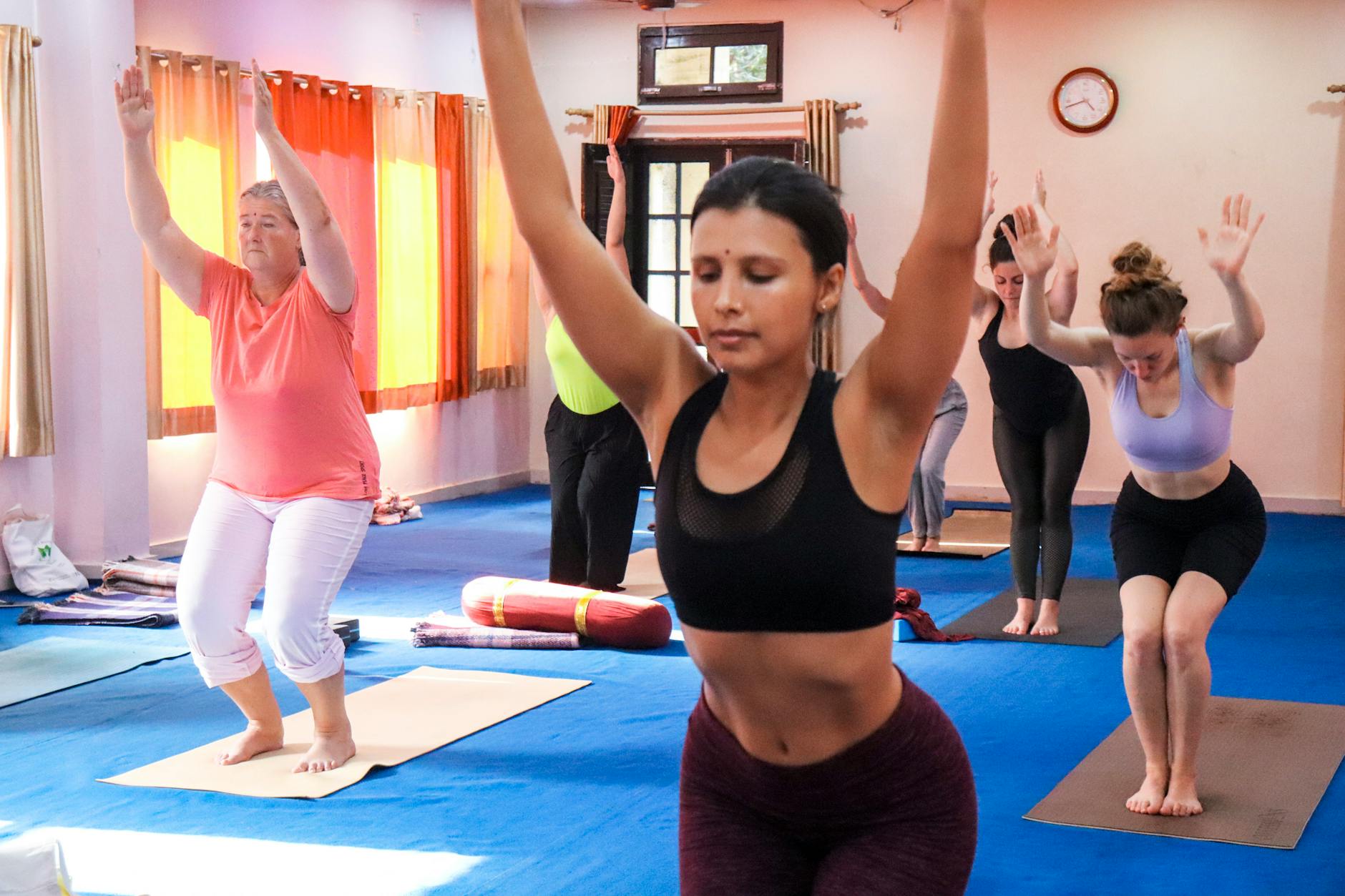
2. Focus on Stability Over Depth Your longer frame shifts your center of gravity, making balance and stability more important than going deeper into a stretch. In standing poses like Warrior II (Virabhadrasana II) or Chair Poses (Utkatasana), widen your stance slightly to support your legs. Think of creating a strong base first, and the flexibility will follow naturally and over time. Don’t be afraid to make slight adjustments and play with your range of motion over time.
3. Modify Arm + Leg Placement As a tall person, I noticed that classic cues don’t always work for tall bodies, and I had to be creative in my verbal cues to get my tall students into poses/asanas. For example, Downward Dog (Adho Mukha Svanasana), you might need to walk your hands a little wider to avoid straining your shoulders. In seated poses, elevate your hips with a folded blanket or block so your knees don’t feel jammed. Small shifts like these make a huge difference in how you feel in your poses.
4. Emphasize Core Engagement A tall spine looks elegant, but it also means balance can be challenging and doesn’t look like everyone else’s asana. Remember, engaging your core in balancing poses/asanas like Tree (Vrksasana) or Warrior III (Virabhadrasana III) to stay centered. This not only supports your height but also strengthens your practice from the inside out.
5. Prioritize Length & Alignment Tall yoga students often try to “keep up” by forcing flexibility, which will lead to discomfort and you not enjoying your practice. Instead, think about creating length and space. In Forward Folds, focus less on touching your toes and more on elongating your spine. In Mountain Pose, lift through your chest and crown to balance your natural height with alignment.
Lastly, your yoga journey/practice, does not have to look like everyone else’s. Being tall and abundantly bodied gives you a gift of expansion, so please take up all of the space. Your shapes fill the room in a powerful and meaningful way. Never shrink yourself because yoga wants you to be bigger than the world around you. So use those props, embrace the slight adjustments, and turn inward to be mindfully kind to yourself. You can transform your practice into one that feels connected, grounded, and elevated. Keep coming your mat and focus on improving yourself for the betterment of others and you.
Remember YOU ARE LOVED IN YOUR HEART, FIND PEACE IN YOUR VOICE, AND FOLLOW YOUR OWN INTUITION!!!!!
LOVE,
Tommy Cooper
 Southern Cooper